Termite Inspection and Monitoring Rosenberg TX That Catches Damage Early

Licensed inspectors, thermal imaging, and year-round bait station monitoring

Termite inspection and monitoring Rosenberg TX gives Fort Bend County homeowners a clear picture of what is happening inside their walls before the damage shows. We inspect the slab, crawlspace, attic, and yard, then set bait stations and glue boards so termites never get a quiet season to work. If you have seen mud tubes, bubbling paint, or a swarm near your porch light, call us for a termite inspection and monitoring service in Rosenberg, Texas.

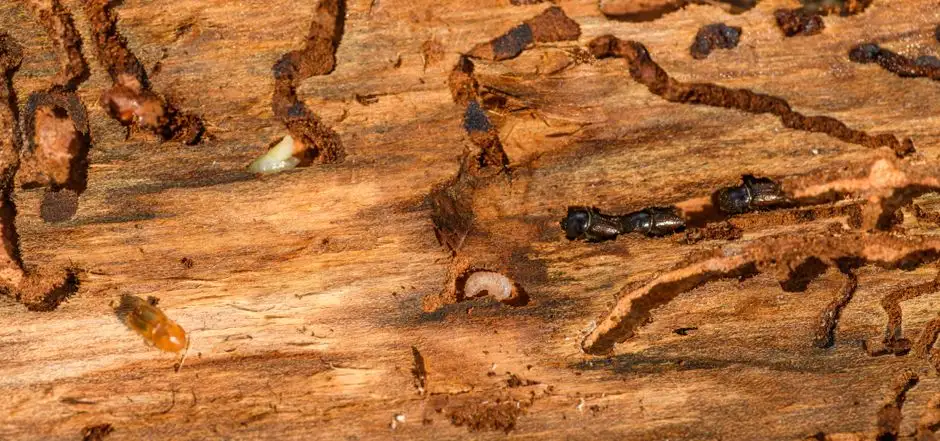
Detailed macro shot of beetles and larvae on wood, showcasing nature's complexity.

What Termite Inspection and Monitoring Rosenberg TX Covers

Termite inspection and monitoring Rosenberg TX is a two-part service that first finds existing activity and then keeps watch on the property year-round. The inspection walks the entire structure: foundation slab edges, expansion joints, crawlspace piers, sill plates, attic framing, and every wood-to-soil contact point. We use moisture meters and thermal imaging cameras to read what a flashlight misses, then map any mud tubes, frass, or damaged trim. The monitoring half installs bait stations and glue boards at the perimeter so we can check activity on a set schedule instead of waiting for a swarm.

Rosenberg sits on heavy clay soil that holds moisture after every Gulf rain, and that is exactly what subterranean termites look for. Homes near the Brazos River bottom and older properties around the 77471 ZIP code see the most pressure. If you have been searching for termite inspection and monitoring Rosenberg TX near me, we can usually schedule a same-day termite inspection Rosenberg TX visit and have a written report in your hands before the week is out. Affordable termite inspection Rosenberg TX pricing starts with a free site survey.
Why Rosenberg Homeowners Keep Monitoring Active

Termites cause more structural damage in Texas than any other pest, and most homeowner policies do not cover the repair. A monitored property catches activity in months instead of years, which is the difference between a bait station refill and a rebuilt wall.

Catch Activity in Months

Bait stations are checked every 60 to 90 days, so we see termites feeding before a colony matures. A termite monitoring Rosenberg, Texas program typically flags activity within one or two check cycles, while an unmonitored home can hide an infestation for five years or more.

Protect Resale Value

A clear inspection report and an active monitoring record make a home easier to sell in Fort Bend County. Buyers and their agents ask for termite documentation on nearly every resale, and a 12-month monitoring history answers those questions before they become a negotiation.

Target the Right Species

Subterranean and drywood termites need different treatments. Subterraneans come from soil and respond to termiticides and bait; drywoods live inside the wood and often need localized treatment or fumigation. Our inspection identifies which one you have before we recommend a dollar of work.

Stop Damage Before Repair Bills

A single termite colony can consume roughly 15 linear feet of 2x4 lumber in a year. Catching it during monitoring keeps repair scope small, and our termite inspection and monitoring services Rosenberg include a prevention and warranty option that covers re-treatment if activity returns.

What Termite Inspection and Monitoring Rosenberg TX Covers

How Our Inspection and Monitoring Process Works

Every visit follows the same sequence, whether it is a first-time inspection or a quarterly monitoring check. You get a report after each one, and we tell you plainly what we found and what it means.

1

Phone Intake

We ask about the age of the home, any previous termite treatment, and what you have seen, such as mud tubes, swarmers, or soft trim. That conversation takes about 10 minutes and lets us bring the right equipment. Same-day termite inspection Rosenberg TX slots are usually available when you call before noon.

2

Full Property Inspection

The inspector walks the exterior, foundation, crawlspace, garage, and attic, then checks interior walls with a moisture meter and thermal imaging camera. A standard single-family inspection takes 60 to 90 minutes. We photograph every finding and note the location on a diagram of your home.

3

Written Findings and Plan

You get a report the same day that separates active activity from old damage and from conditions that invite termites, like wood-to-soil contact or poor drainage. We walk you through the findings and quote treatment or monitoring in plain numbers, with no pressure to decide on the spot.

4

Bait Station Installation

If monitoring is the right fit, we set stations every 10 to 20 feet around the perimeter, plus glue boards in the garage and crawlspace. Installation takes two to three hours on a typical Rosenberg lot. Each station is numbered and mapped so future checks are consistent.

5

Scheduled Monitoring Checks

We return every 60 to 90 days to open stations, check for feeding, and refresh glue boards. If termites are present, we identify the species and move to treatment. You receive a report after every check, and the monitoring record stays on file for warranty and resale purposes.

Sixteen Years of Termite Work in Fort Bend County

Sixteen Years of Termite Work in Fort Bend County

Pro Pest Control Rosenberg has been inspecting and monitoring termite activity since 2010, which means 16 years of watching how subterranean and drywood termites behave in the clay soils and humid summers around Rosenberg. Our technicians hold Texas Department of Agriculture Pest Control Licenses and work under EPA Certified Applicator standards, and several carry Certified Entomologist training. We follow NPMA inspection protocols and OSHA Safety Compliance on every job. That background matters most in the crawlspace, where knowing the difference between old frass and active feeding changes the entire recommendation.

  • Texas Department of Agriculture Pest Control License held by every technician on staff
  • EPA Certified Applicator standards followed for all termiticide applications
  • NPMA inspection protocol used on every residential and commercial property
  • Thermal imaging and moisture meter readings documented on every inspection report
  • QualityPro Certification standards applied to bait station placement and recordkeeping

Why Choose Our Termite Inspection and Monitoring Rosenberg TX Team

Termite work rewards patience and recordkeeping more than salesmanship. We built our process around repeatable inspections, honest reports, and monitoring schedules that actually get kept.

Same-Day Slots Available

Call before noon and we can usually fit a same-day termite inspection Rosenberg TX visit into the schedule. That matters when you have found swarmers on a Saturday and do not want to wait until Monday to know what you are dealing with.

Reports You Can Read

Our inspection reports use plain language and photographs, not codes and abbreviations. You will see exactly where activity was found, what species we identified, and what the recommended next step costs. Realtors and lenders in Fort Bend County accept our documentation without follow-up calls.

Monitoring That Gets Done

A termite inspection and monitoring service in Rosenberg, Texas is only as good as its check schedule. We book the next visit before we leave the property and send a reminder ahead of time. Stations are numbered and mapped, so a missed check is obvious and gets corrected.

Treatment Backed by Warranty

When monitoring turns into treatment, our termite prevention and warranty option covers re-treatment if activity returns within the warranty period. We use BASF and Bayer termiticides applied to label, and we leave the product name and application record with you.

What You Get

What Our Termite Inspection and Monitoring Includes

Every inspection and monitoring program covers the full structure and the soil around it. Treatment, if it becomes necessary, is quoted separately after we identify the species and the extent of activity, so you always know which part of the cost is inspection and which part is treatment.

Full Structural Inspection

We inspect the foundation, slab edges, crawlspace, piers, sill plates, attic framing, and interior walls, and we photograph every finding. A standard single-family inspection takes 60 to 90 minutes and covers the garage and any attached structures.

Thermal and Moisture Readings

Thermal imaging cameras and moisture meters reveal damp wood and hidden activity that a visual check misses. We record readings at suspect locations and compare them to dry reference points, which helps separate active termite damage from old, inactive damage.

Bait Station Installation

Stations go in every 10 to 20 feet around the perimeter, plus glue boards in the garage and crawlspace. Each station is numbered and mapped, and installation takes two to three hours on a typical Rosenberg lot.

Scheduled Monitoring Checks

We return every 60 to 90 days to open stations, check for feeding, and refresh glue boards. You get a report after each visit, and the monitoring record stays on file for warranty and resale purposes.

Written Report and Recommendations

The report separates active activity, old damage, and conditions that invite termites, such as wood-to-soil contact or poor drainage. We walk you through it and quote any recommended treatment in plain numbers.

Solutions

Termite Problems We Solve for Rosenberg Homes

Most termite calls start with something a homeowner noticed and could not explain. These are the situations we see most often around Rosenberg, and what happens if they are left alone.

Problem

Mud tubes on the foundation or pier

Mud tubes mean subterranean termites are moving between soil and wood right now. Left alone, a colony can reach mature size in three to six years and cause damage that costs thousands to repair.

Solution

We confirm activity, identify the species, and treat the soil with termiticides or install bait stations depending on the foundation. Monitoring then continues every 60 to 90 days to confirm the colony has stopped feeding.

Problem

Swarmers around porch lights in spring

Swarmers mean a colony nearby has matured and is spreading. Ignoring them often leads to a second infestation inside the home within a year, usually in the attic or behind baseboards.

Solution

We inspect the structure and the yard, check for active feeding, and set monitoring stations at the perimeter. If activity is confirmed, we move to treatment and keep the stations in place afterward.

Problem

Soft or bubbling paint on interior walls

Bubbling paint and soft trim usually mean moisture and termites behind the surface. By the time it shows, the damage is often already structural and repair costs climb quickly.

Solution

Our inspection uses moisture meters and thermal imaging to map the extent behind the wall. We document the findings, recommend treatment, and coordinate with your contractor if framing repair is needed.

Problem

Old damage with no known treatment history

Buying or owning a home with undocumented termite damage leaves you guessing. Lenders and buyers often require documentation, and untreated old damage can hide active colonies.

Solution

We inspect the full structure, distinguish old damage from active activity, and start a monitoring program with a written record. That record answers lender and buyer questions and gives you a baseline for future checks.

Use Cases

When to Call for Termite Inspection and Monitoring

01

You are buying a home in Rosenberg and the seller has no termite documentation.

Solution

We run a full inspection before closing, check the crawlspace and slab edges, and produce a written report the lender and title company accept. If activity is found, we quote treatment so it can be negotiated before closing rather than after.

Outcome

You close with a clear picture of the property and a monitoring plan already in place, instead of discovering termites six months after move-in.

02

You found swarmers or mud tubes and want to know whether it is active.

Solution

We schedule a same-day inspection, identify the species, and confirm whether the activity is current. If it is, we quote treatment and set monitoring stations around the perimeter to confirm the colony stops feeding.

Outcome

You know within a day whether you have a termite problem and what it costs to fix, rather than waiting weeks for an answer.

03

Your home was treated years ago and you have no idea whether the barrier is still working.

Solution

We inspect the structure and the treatment history, check for new activity, and set up a monitoring program with numbered stations. Quarterly checks then confirm whether the old treatment is holding or needs renewal.

Outcome

You get a documented monitoring record and early warning if the old barrier has failed, which is far cheaper than discovering damage during a remodel.

04

You manage rental property and need termite records for each address.

Solution

We set up monitoring on each property, keep the records organized by address, and provide reports after every check. When a tenant reports something, we inspect within a day and treat if needed.

Outcome

Your files stay complete for lenders and insurers, and tenant complaints get answered with documentation instead of guesswork.

Our Approach

Tools and Methods We Use

Tools & Equipment

Thermal imaging cameras

Thermal cameras reveal temperature differences behind walls and under floors that indicate moisture or termite activity. We use them on interior walls, attic framing, and crawlspace piers where a flashlight shows nothing.

Moisture meters

Moisture meters give a numeric reading at suspect locations. We compare wet readings to dry reference points to separate active damage from old damage and to flag conditions that invite termites.

Bait stations

Bait stations are installed every 10 to 20 feet around the perimeter and checked every 60 to 90 days. They intercept termites before they reach the structure and confirm whether activity is present.

Glue boards

Glue boards go in garages, crawlspaces, and utility areas to catch insects moving through the structure. They act as an early warning between scheduled monitoring checks.

Termite detection devices

Detection devices monitor station activity and help us confirm feeding between visits. They supplement the physical check and keep the monitoring record accurate.

Insecticide sprayers

Sprayers apply termiticides to soil and foundation surfaces at label rates. We use them for trench and rod applications on post-construction treatments.

Methods

NPMA inspection protocol

We follow the NPMA inspection protocol for residential properties, which standardizes what gets checked and how findings are recorded. That consistency is what makes our reports acceptable to lenders, buyers, and insurers across Fort Bend County.

Bait station grid placement

Stations are placed every 10 to 20 feet around the perimeter and mapped by number. Consistent placement lets us compare activity between visits and spot trends before they become infestations.

Soil termiticide application

For post-construction treatment, we apply BASF and Bayer termiticides to the soil through trenches and rodding at label rates. The application record, including product name and rate, is left with the homeowner.

Species identification

Subterranean and drywood termites require different treatments. We identify the species from specimens and damage patterns before recommending anything, which prevents paying for the wrong treatment.

Local Service

How Termite Inspection and Monitoring Runs in Rosenberg

Rosenberg sits on heavy clay soil that swells after rain and cracks when it dries, and both conditions push subterranean termites toward foundations. The Gulf humidity keeps soil temperatures mild enough that colonies stay active most of the year, so monitoring checks every 60 to 90 days make more sense here than a single annual visit. Older pier-and-beam homes near downtown Rosenberg and around the 77469 ZIP code need crawlspace checks on every inspection, while newer slab homes in Greatwood and Pecan Grove need close attention at expansion joints and plumbing penetrations. We schedule termite inspection and monitoring services Rosenberg visits around the spring and fall swarm seasons, when calls spike. If you need a termite inspection and monitoring service in Rosenberg, Texas during those weeks, call early in the day and we will usually fit you in.

Service Areas

Downtown Rosenberg

Older pier-and-beam homes with mature trees and original framing. Crawlspace inspections here regularly turn up old damage and moisture issues that need documenting.

Pecan Grove

Larger lots with irrigated landscaping keep soil moisture high. Stations are spaced along the full perimeter, and irrigation heads near the foundation get flagged in the report.

Greatwood

Newer slab construction where termites enter through expansion joints and plumbing penetrations. Monitoring focuses on those entry points rather than crawlspaces.

Richmond

Just north of Rosenberg, with a mix of historic homes and new builds. We run the same inspection protocol and adjust station placement to the lot layout.

Local Considerations

Heavy clay soil that holds moisture after rain

Clay keeps soil wet longer, which is exactly what subterranean termites need. Monitoring stations near the foundation catch activity earlier than a visual check alone.

Humid Gulf climate with mild winters

Termites stay active most of the year, so quarterly checks replace the single annual visit that works in colder states. Feeding can continue through December in a mild year.

Spring and fall swarm seasons

Swarmers appear around porch lights and windows, and call volume spikes. We schedule extra inspection slots during those weeks and prioritize homes with swarmers inside.

Transformation

Active Subterranean Colony at Garage Slab

Before

A Richmond homeowner found mud tubes along the garage slab in April and had no treatment history for the home. The inspection confirmed active subterranean termites at two locations, with moisture readings well above the dry reference points.

After

We treated the soil with termiticides and installed 14 bait stations around the perimeter. The 90-day check showed no feeding, and the six-month check confirmed the colony had stopped. Total time from call to treatment was four days.

Maintenance & Follow-up

Quarterly monitoring continues, and the homeowner keeps irrigation heads pointed away from the foundation. The monitoring record is on file for resale.

Before

A Pecan Grove seller had visible damage in the crawlspace but no records, and the buyer's lender wanted documentation before closing. The inspection found old damage but no active termites, which needed to be proven in writing.

After

We produced a report with photographs, moisture readings, and thermal images that separated old damage from active activity. The sale closed on schedule, and the buyer started a monitoring program the same week.

Maintenance & Follow-up

Monitoring checks every 90 days keep the record current, and the report stays with the property file for future sales.

Before

A Greatwood homeowner found swarmers inside the house in May and worried about a full infestation. The inspection found activity at a plumbing penetration in the slab, with no structural damage yet.

After

We treated the penetration and set 11 stations around the perimeter. The next two checks showed no feeding, and the homeowner avoided the repair costs that come with a mature colony.

Maintenance & Follow-up

Quarterly monitoring continues, with extra attention to plumbing penetrations and expansion joints during each check.

Frequently Asked Questions

Have questions? We have answers.

Call Us
How much does termite inspection and monitoring cost in Rosenberg TX?

Most residential inspections run $75 to $150, and annual monitoring programs typically cost $250 to $450 depending on the number of stations. 2026 pricing in Rosenberg reflects lot size, foundation type, and how many structures are covered. If we find active termites during the inspection, treatment is quoted separately and the inspection fee is often credited toward it.

How often should termite inspection be done in Rosenberg TX?

Once a year is the minimum for a Rosenberg home, and every 60 to 90 days is better for monitored properties. Subterranean termites stay active year-round in Texas soil, and the warm, wet stretches after spring and fall rains are when feeding picks up. Annual inspections catch problems, but quarterly monitoring catches them earlier.

Are termites common in Rosenberg, Texas?

Yes. Both subterranean and drywood termites are common across Fort Bend County, and the heavy clay soil and humid Gulf climate around Rosenberg keep colonies active most of the year. Homes near the Brazos River bottom and older properties with pier-and-beam construction see the highest pressure. Newer slab homes are not immune; termites find expansion joints and plumbing penetrations quickly.

How long does termite inspection take in Rosenberg TX?

A standard single-family inspection takes 60 to 90 minutes, and larger homes or properties with multiple structures can run two hours. Monitoring checks are faster, usually 20 to 40 minutes, because the stations are already mapped. We schedule enough time to walk the findings with you rather than leaving a report on the counter.

Trust & Credentials

Licensed, Certified, and Reviewed

Certifications

Texas Department of Agriculture Pest Control License by Texas Department of Agriculture
EPA Certified Applicator by U.S. Environmental Protection Agency
QualityPro Certification by National Pest Management Association
NPMA Membership by National Pest Management Association
OSHA Safety Compliance by Occupational Safety and Health Administration

Reviews

Google

Inspector went under the house and actually documented what he found with photos. Found old damage and a wet sill plate, quoted treatment and monitoring in plain numbers, and did not push anything extra. Quarterly checks have been on time for two years.

Yelp

Called on a Friday about swarmers and they came the same afternoon. Confirmed active termites at the garage slab, treated the following week, and set stations around the house. The report after each check tells us exactly what the stations show.

BBB

I manage several rentals in Rosenberg and needed termite documentation for each one. They set up monitoring on all of them and keep the records organized by address. When a tenant reported mud tubes, they inspected within a day.

Google

Bought a home in Pecan Grove with no termite history. They inspected before closing, produced a report the lender accepted, and started monitoring the same week. Straightforward pricing and no pressure to add services.

Related Services

Residential pest control

Homes under a termite monitoring program often need general pest coverage too. Our residential service handles ants, roaches, and spiders on the same visit schedule, so one technician covers the whole property and keeps the termite stations checked at the same time.

Residential pest control

commercial pest control

Rosenberg retail and warehouse properties need termite documentation for insurance and leases. Our commercial program pairs termite inspection and monitoring with routine pest service, and we keep the records organized for audits and property managers who need proof on file.

commercial pest control

preventive pest control

Prevention is the cheapest termite strategy. Our preventive pest control plans include perimeter treatments and exclusion work that reduce moisture and wood-to-soil contact, which are the two conditions subterranean termites need most around a Rosenberg home.

preventive pest control

indoor and outdoor pest control

Termite work happens outside, but the pests that follow moisture damage live inside. Our indoor and outdoor pest control service treats both sides of the wall, and it pairs well with monitoring because the technician is already walking the perimeter every quarter.

indoor and outdoor pest control

emergency same-day service

Finding swarmers inside the house counts as an emergency for most homeowners. Our same-day service gets an inspector to your door to confirm whether you have an active termite issue or a harmless flying ant, and we can start treatment the same day if needed.

emergency same-day service

free inspection and site survey

Every termite program starts with a free site survey. We walk the property, check the foundation and crawlspace, and give you a written assessment before you commit to inspection or monitoring. It is the lowest-risk way to find out what is happening under your house.

free inspection and site survey

cockroach control

Roaches thrive in the same damp crawlspaces that attract termites. When our termite inspection finds high moisture under the house, we often recommend cockroach control at the same time, because fixing the moisture without treating the insects leaves the problem half solved.

cockroach control

ant control

Carpenter ants excavate wood almost like termites do, and homeowners frequently confuse the two. Our ant control service identifies the species first, and if the damage turns out to be termite-related, we transition straight into a full termite inspection and monitoring plan.

ant control

bed bug treatment

Bed bugs are unrelated to termites, but they are the pest most often found during a whole-home inspection. If our technician spots signs during a termite visit, we flag it in the report and quote bed bug treatment separately so you are not surprised later.

bed bug treatment

flea and tick control

Pets and termites both spend time in Rosenberg yards. Our flea and tick control service treats the lawn and perimeter, and it can be scheduled alongside a monitoring check so the technician handles both stops in one visit instead of two.

flea and tick control

spider and scorpion control

Spiders and scorpions move into crawlspaces and garages, the same areas we inspect for termites. Our spider and scorpion control service treats those harborage points, and it fits naturally into a quarterly monitoring schedule without adding a separate trip.

spider and scorpion control

mosquito and dengue control

Standing water around a foundation softens soil and invites termites. Our mosquito and dengue control service reduces breeding sites and treats shaded resting areas, which improves drainage and lowers the moisture that subterranean termites depend on.

mosquito and dengue control

bee wasp and hornet nest removal

Wasps build under eaves and in crawlspace vents, and their nests can block the airflow that keeps a foundation dry. Our bee wasp and hornet nest removal service clears the nest safely, and we note any resulting moisture issues during the next termite inspection.

bee wasp and hornet nest removal

silverfish earwig centipede and cricket control

These moisture-loving insects are a reliable signal that a crawlspace is too damp. When our termite inspection turns up silverfish or earwigs, we treat them with our silverfish earwig centipede and cricket control service and recommend the drainage fixes that keep termites from following.

silverfish earwig centipede and cricket control

moth and pantry pest control

Pantry pests have nothing to do with termites, but they come up in whole-home inspections often enough that we keep the service ready. Our moth and pantry pest control treatment clears the infestation and identifies the source so it does not return.

moth and pantry pest control

pre-construction anti-termite treatment

The best termite protection happens before the slab is poured. Our pre-construction anti-termite treatment applies termiticide to the soil and foundation before backfill, and it gives new Rosenberg builds a documented barrier that monitoring can then maintain for years.

pre-construction anti-termite treatment

post-construction termite treatment

When monitoring finds active termites, post-construction termite treatment is usually the next step. We apply termiticides to the soil through trenches and rodding, or install above-ground bait, depending on the foundation type and the species we identified during inspection.

post-construction termite treatment

subterranean and drywood termite control

Subterranean and drywood termites require different methods. Our control service targets subterraneans with soil termiticides and bait stations, and drywoods with localized treatment or fumigation. The inspection determines which one you have, and the treatment follows from that finding.

subterranean and drywood termite control

wood and furniture termite treatment

Furniture, framing, and decorative wood can carry drywood termites into a home. Our wood and furniture termite treatment uses targeted applications and, where needed, fumigation, and we follow up with monitoring to confirm the infestation has stopped.

wood and furniture termite treatment

termite prevention and warranty

Prevention and warranty is the long-term layer on top of monitoring. We combine moisture control, wood-to-soil separation, and bait station upkeep with a warranty that covers re-treatment if activity returns, which gives Rosenberg homeowners a documented protection record for resale.

termite prevention and warranty

rat and mouse extermination

Rodents gnaw framing and insulation, and their tunnels can open pathways for moisture. Our rat and mouse extermination service removes the infestation, and the termite inspection afterward confirms whether any structural damage needs attention before it spreads.

rat and mouse extermination

rodent inspection

Rodent inspection looks at entry points, droppings, and nesting sites, and it overlaps with termite inspection in the attic and crawlspace. We often run both checks in one visit, which saves the homeowner a second appointment and gives a fuller picture of the structure.

rodent inspection

rodent proofing and entry-point sealing

Sealing gaps around pipes and vents keeps rodents out and reduces the moisture that termites need. Our rodent proofing and entry-point sealing work is a natural companion to termite monitoring, because both services depend on keeping the building envelope tight and dry.

rodent proofing and entry-point sealing

trapping and baiting programs

Trapping and baiting programs run on a schedule, just like termite monitoring. For properties with both rodent and termite pressure, we coordinate the two schedules so one technician handles both stops and the records stay in a single file.

trapping and baiting programs

lizard and gecko control

Lizards and geckos are common around Rosenberg foundations and can indicate insect activity nearby. Our lizard and gecko control service removes them humanely, and the termite inspection notes any insect hot spots the animals were feeding on.

lizard and gecko control

snake control

Snakes follow rodents and insects into crawlspaces, which is where termite inspections happen. Our snake control service removes the animal and identifies the food source, and we often find the same moisture problems that attracted the termites in the first place.

snake control

bird control and bird-proofing

Birds nest under eaves and in vents, and their droppings hold moisture against wood. Our bird control and bird-proofing service installs exclusion materials that keep the structure dry, which supports the termite prevention work already in place.

bird control and bird-proofing

stray wildlife removal

Stray wildlife in a crawlspace disturbs soil and insulation and can open pathways for moisture. Our stray wildlife removal service clears the animal and repairs the entry, and the next termite monitoring check confirms the structure is still protected.

stray wildlife removal
Testimonials

Reviews From Rosenberg Homeowners

Real experiences from customers who chose our termite inspection and monitoring services

We found swarmers on the back porch in April and called on a Friday. Pro Pest Control Rosenberg had an inspector out the same afternoon. He found active subterranean termites at the garage slab and set stations the next week. The quarterly checks have come on time every time, and the report after each visit tells us exactly what the stations show.

Marcus T.

Homeowner, Richmond

M

Our house is pier-and-beam, and the last inspector never went under it. This one did, with a moisture meter and a camera, and found old damage plus a wet sill plate near the bathroom. They quoted treatment and monitoring in plain numbers and did not push anything extra. Two years in, the stations are still clean.

Denise R.

Homeowner, Pecan Grove

D

I manage six rental properties around Rosenberg and needed termite documentation for each one. Pro Pest Control Rosenberg set up monitoring on all of them and keeps the records organized by address. When a tenant reported mud tubes at one duplex, they inspected within a day and treated it. The paperwork has made my lender happy twice now.

Alan W.

Property Manager, Rosenberg

A

We found swarmers on the back porch in April and called on a Friday. Pro Pest Control Rosenberg had an inspector out the same afternoon. He found active subterranean termites at the garage slab and set stations the next week. The quarterly checks have come on time every time, and the report after each visit tells us exactly what the stations show.

Marcus T.

Homeowner, Richmond

M

Our house is pier-and-beam, and the last inspector never went under it. This one did, with a moisture meter and a camera, and found old damage plus a wet sill plate near the bathroom. They quoted treatment and monitoring in plain numbers and did not push anything extra. Two years in, the stations are still clean.

Denise R.

Homeowner, Pecan Grove

D

Book Termite Inspection and Monitoring Rosenberg TX Today

Termites do not take a season off, and neither should your protection. Call Pro Pest Control Rosenberg for a same-day inspection, a written report, and a monitoring schedule that gets kept. We have served Fort Bend County since 2010 and we will tell you plainly what your home needs.